


America’s Cinematic View of the East
34,00 SAR
10 people are viewing this product right now
🔥 5 items sold in last 3 hours
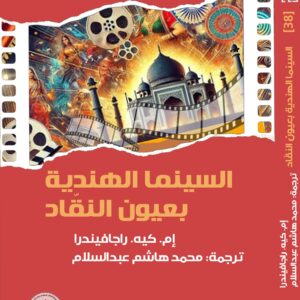
This book offers a critical survey of how the West—particularly the United States—views the East, whether through cultural, religious, or geographic lenses. Through the analysis of selected films that depict “the Other” in general and the East in particular, the book traces the evolution of this view from documentary and journalistic portrayals to cinematic representation. The aim is to reach a deeper understanding of how this view has been shaped through the cinematic lens—often marked by bias and a lack of neutrality toward the East, or from the vantage point of the “Global North” with its dominant economic and cultural narratives over the “Global South.”
In this context, the book examines cinema across its various classifications—ethnic, regional, cultural, linguistic, and even intellectual. The book does not seek to protest or express outrage, but rather to offer a reasoned response to a distorted and persistent cinematic machinery that has, for decades, targeted the East, the Middle East, Arabs, Muslims, and other cultures of the Global South through stereotypical imagery. Its chapters provide a comprehensive and detailed exploration of how “the Other” sees us, thinks about us, wants us to see ourselves, and how we, in turn, perceive them. The portrayal of Arab characters in Western literature, cinema, and historical writing remains, in many cases, relatively superficial and reductive.
Product brand
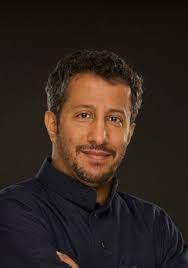
A Saudi writer and filmmaker, Abdulmohsen Al-Mutairi founded the Riyadh Film Forum in 2008 in partnership with the Saudi Society for Culture and Arts. He has written for numerous Saudi and Arab newspapers and authored a research paper on cinematic editing (montage) at the University of the Arts in Philadelphia. With over 13 films to his credit, his documentary From the Memory of the North won Best Saudi Documentary at the Saudi Film Festival in 2022, as well as an award at the European Independent Film Festival in Paris. His latest publication, Writing Through Montage, was released in 2024 by Jusoor Al-Thaqafa Publishing and Distribution.



Reviews
There are no reviews yet.